Products
Our main products include ev charger wallbox, ev connectors, ev charging station and so on.

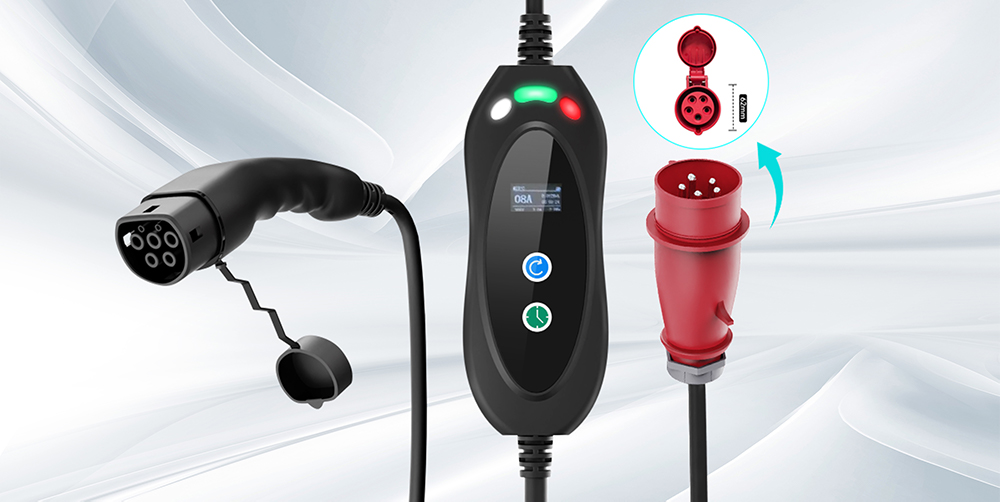
Our main products include ev charger wallbox, ev connectors, ev charging station and so on.
Safe and reliable for your home and your EV.
Portable to take it in your car.
User Friendly and easy to store.
Extremely durable and impact resistant.
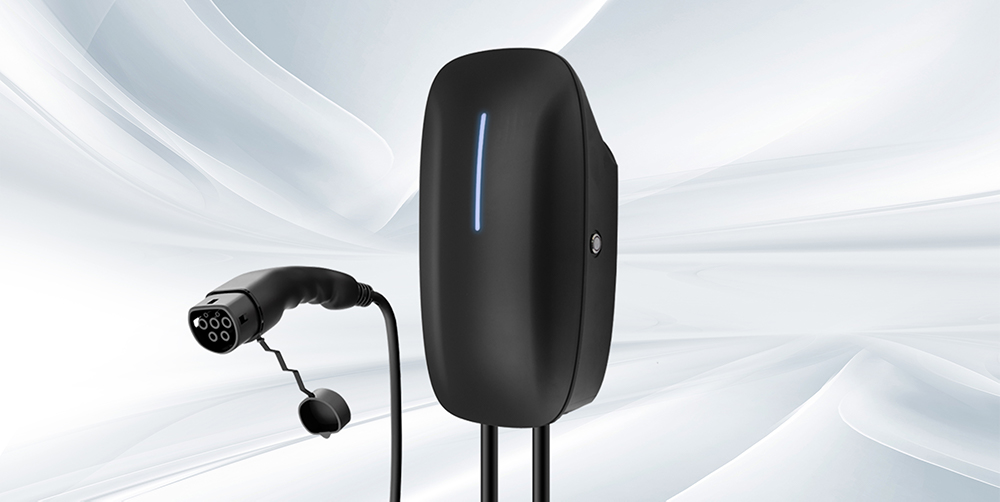
We can provide perfect solutions based on the customer’s requests.
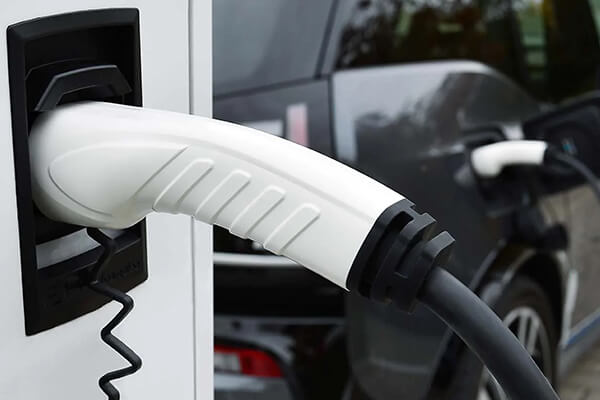
All you need to know about TTCHARGER manufacturing.

Learn about who we are and how it all started.
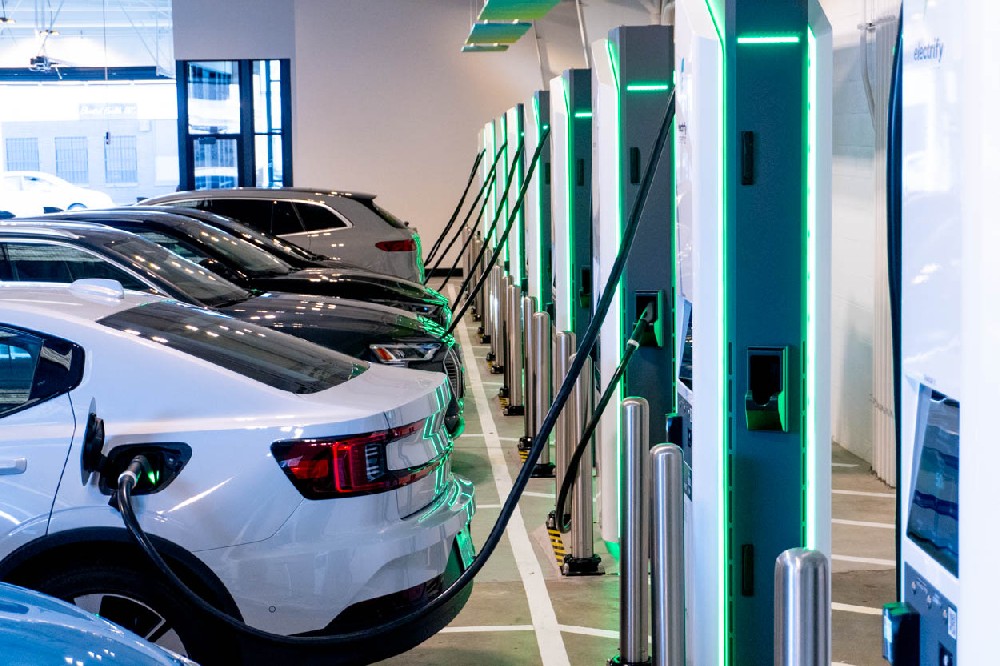
The electric vehicle wave is no longer on the horizon. It is already here, and global spending on charging infrastructure is rising. Businesses everywhere are adding electric car charging points to meet demand. At the same time, the EVSE market is expected to rise from $7 billion today to $100 billion by 2040. So, how do you start an electric car charging business, grab a share of the market, and scale up? Let’s dive in for more.
An electric car charging business is one that provides the infrastructure and services for drivers to recharge electric vehicles. The business installs, operates, and maintains charging stations, generating revenue through usage fees. Moreover, it can help attract more customers to other business activities like hotels, retail, etc.
You can run an electric car charging business model as a commercial property developer, fleet operator, landlord, retailer, or community. Some ideal locations to set up the business include workplaces, offices, institutions, shopping centers, gas stations, and residential complexes.
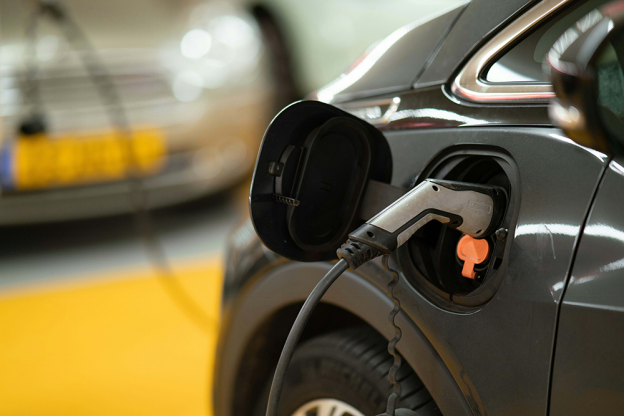
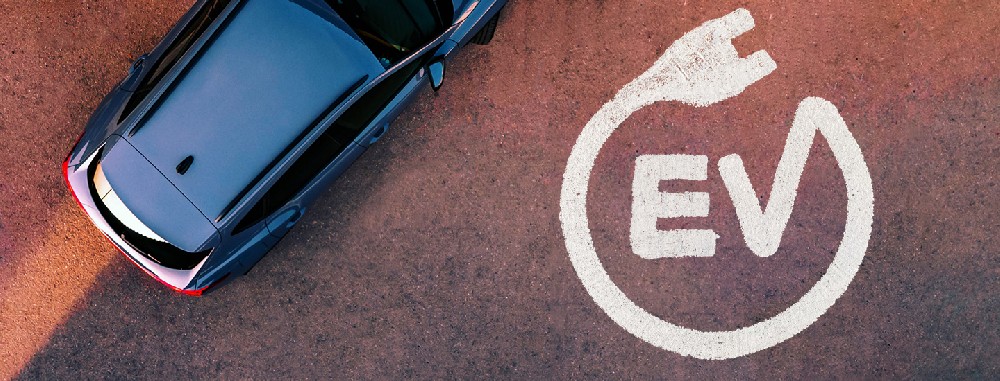
Alt text: how can a business install an electric car charging station? installing an electric car charging point
Yes. Electric car charging businesses are a good opportunity. Your investment returns will grow with effort, strategy, and smart location choices. Here’s what you should consider:
● Market growth: EV adoption is rising fast worldwide. In Europe: Norway, the UK, and Germany, this is supported by policy, incentives, and bans on combustion engines.
● Profit potential: Depending on the model and scale, you can make $5,000 to $40,000+ a year. Stations earn through charging fees, subscriptions, partnerships, and increased customer retention for retail sites.
● Sustainability: Installing EV chargers strengthens ESG profiles and meets CSR goals, making it both a financial and reputational win.
Starting an electric car charging business isn’t complicated, just like any other business. With demand growing fast, the proper setup can create steady revenue, attract customers, and position your business as future-ready. Here’s a simple roadmap:
10 easy steps to set up an electric car charging business
Before anything, conduct comprehensive market research to learn the nitty-gritties of the EV charging business. You can opt to set up public EV charging stations, private fleet charging, residential or community charging, or commercial partnerships. Each of these models has different revenue potential and operational needs.
Find a good site with substantial traffic, reliable grid access, and opportunity for scalability. Once you identify a prime location, secure local permits, zoning approvals, and safety certifications. Make sure your documentation is correct for a smooth groundbreaking.
To run your business efficiently, get dependable EV charging stations and a management system that matches demand and site conditions.
EV chargers for business are available in different types that you can use for different electric car charging station business models. Below are the options to consider:
● Standard charging (AC up to 22 kW): This is best for homes, offices, and overnight parking. It works for most plug-in hybrids and EVs with smaller batteries.
● Fast charging (DC 50-150 kW): It delivers quick top-ups in 30-60 minutes, making it perfect for urban stations, fleet operators, and highway stops.
Ultra-fast charging (DC 150-600 kW): This is designed for high-traffic corridors and long-distance drivers. It can add hundreds of kilometers in under 20 minutes, ideal for busy commercial sites and EVs with large batteries.
Alt text: electric car charging station business model. electric car charging stations business opportunity
Reliable software is the backbone of your operation. It enables real-time monitoring, user access control, and automated billing. Integration with payment systems, apps, and smart energy tools ensures smooth operations and a better customer experience.
With hardware and software in place, it is time to set up the actual charging station. Opt for certified professionals to install the entire system and do thorough testing. You can also set up billing through mobile apps, RFID cards, direct payments, or subscription models.
To make a sustainable business, offer features like load balancing, remote monitoring, and predictive maintenance. This will smooth daily operations. Moreover, you can combine these with strong customer support to build trust and repeat usage.
This is the groundbreaking part. Conduct strategic marketing and offer welcoming discounts to your customers. Make sign-up simple and payments frictionless, and ensure your EV charging station is visible on Google Maps and EV charging apps to drive traffic from day one.
Once your EV charging business is up and running, you can grow your footprint by adding new sites or partnering with other networks. You need roaming agreements to help expand customer access without heavy upfront investment.
Match your sites to driver needs. Commuters want reliable city access, fleets need dedicated hubs, and long-distance drivers look for highway fast chargers. Always follow environmental and safety standards.
To succeed in the business, work with trusted manufacturers like TTCharger for certified EV products, OEM services, and guaranteed after-sales support. You should also collaborate with software providers, landowners, utilities, and local communities to strengthen your network.
Lastly, use analytics to measure EV charging station performance and ROI. You can also partner with governments and utilities for grants and incentives. This will help you expand sustainably to stay ahead of demand.
Have you ever wondered what sets a successful EV charging business apart? The answer often lies in the quality of equipment. Sourcing chargers you can depend on is critical. TTCHARGER offers safe, efficient, and certified EVSE solutions for domestic and commercial use. We provide everything from wallboxes to stations, with full OEM/ODM customization.
This DC fast charging station is designed for commercial locations with high traffic. With scalable power options, it supports rapid charging for fleets, public sites, and highway stations, ensuring maximum uptime and efficient performance for business operators.
Key features
● Wide power range (30kW-180kW): Scalable output allows businesses to serve small EVs or high-capacity vehicles without investing in multiple chargers.
● Fast charging efficiency: Cuts charging time to under 40 minutes for most EVs, improving customer satisfaction and station turnover rates.
● Smart management system: This system provides real-time monitoring, payment integration, and remote diagnostics, reducing downtime and maintenance costs.
● Durable industrial design: Built with a weather-resistant casing, ensuring long-term use in outdoor public or fleet charging environments.
● Compatibility with all major EVs: Supports CCS, CHAdeMO, and Type 2 standards, making it suitable for diverse customer bases.
● Energy optimization: Smart load balancing reduces peak demand costs and improves overall grid efficiency.
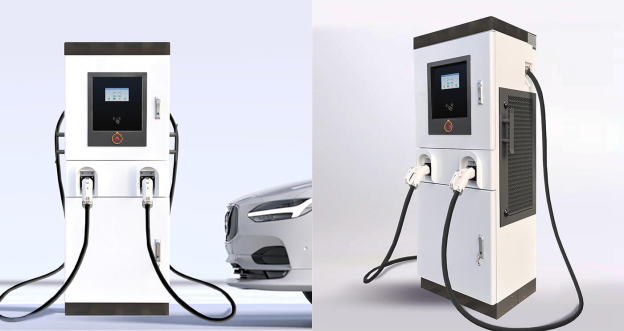
Alt text: DC EV charging station 30kW-180kW for commercial use. commercial electric car charger installation business ev charging installation
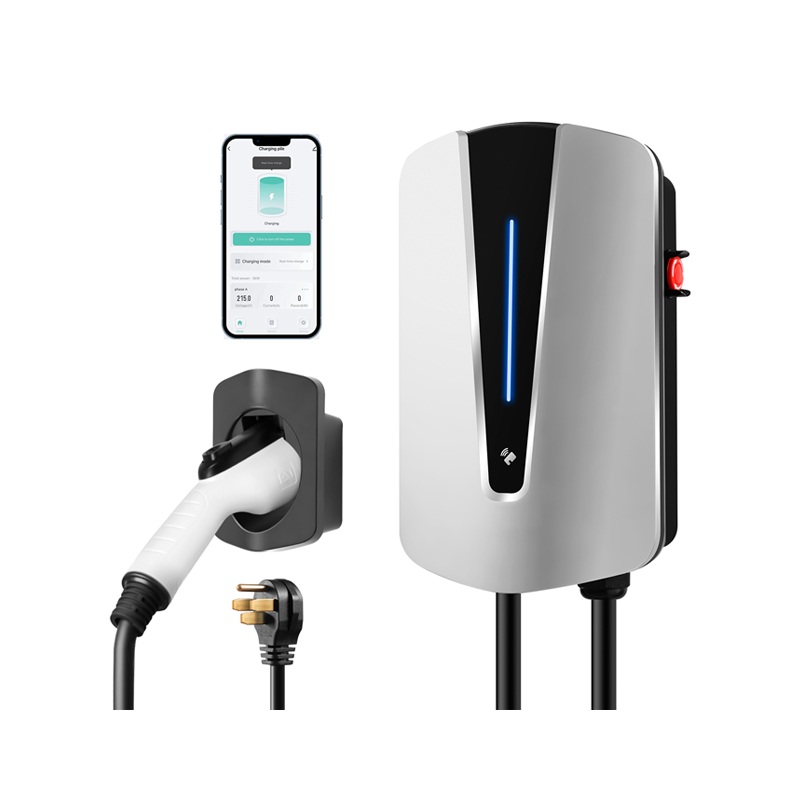
This AC Type 1 and Type 2 wallbox is ideal for workplaces, malls, and residential complexes. Compact yet powerful, it provides flexible charging options for different vehicles while maintaining safety and ease of use for daily operations.
Key features
● Compact design: Small footprint allows easy installation in parking lots, garages, or workplaces without taking up extra space.
● Flexible power output: Supports multiple charging speeds to meet varied user needs, from overnight charging to daily top-ups.
● Type 1 & Type 2 compatibility: Works seamlessly with European and international EVs, ensuring universal usability.
● Built-in safety protections: Includes overvoltage, overcurrent, and temperature safeguards to protect vehicles and infrastructure.
● Smart connectivity: Equipped with app integration for user management, payments, and real-time status updates.
● Cost-effective installation: Simple setup reduces upfront costs, making it attractive for small businesses and communities.
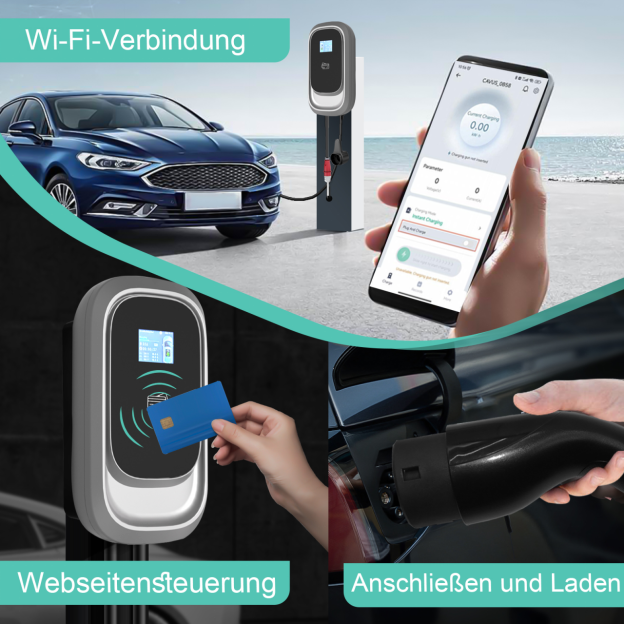
Alt text: Wallbox EV charger AC Type 1 and Type 2 for businesses
This EV charger wallbox comes with a built-in 5-meter cable and universal compatibility. Compact and reliable, it is perfect for residential and small commercial applications where ease of access and reliable charging are priorities.
Key features
● Integrated cable design: Reduces clutter and ensures easy, hassle-free daily charging.
● Universal compatibility: Supports both Type 1 and Type 2 connectors, catering to a broad range of vehicles.
● Flexible installation: Can be mounted indoors or outdoors without compromising safety.
● Fast and reliable charging: Delivers steady power output to support everyday EV usage.
● Safety certifications included: Meets CE and ROHS standards, guaranteeing compliance and safety.
● Affordable solution: Offers reliable performance without high investment costs, making it budget-friendly.
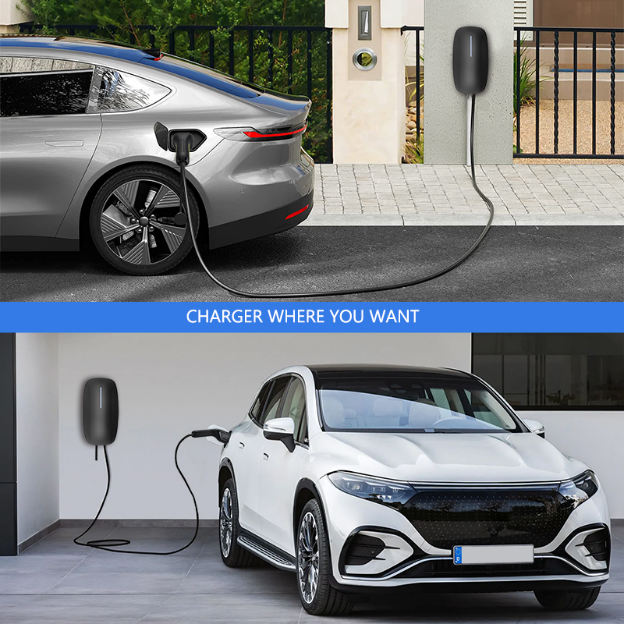
Alt text: Wallbox EV charger with Type 1 and Type 2 connectors, 5-meter cable
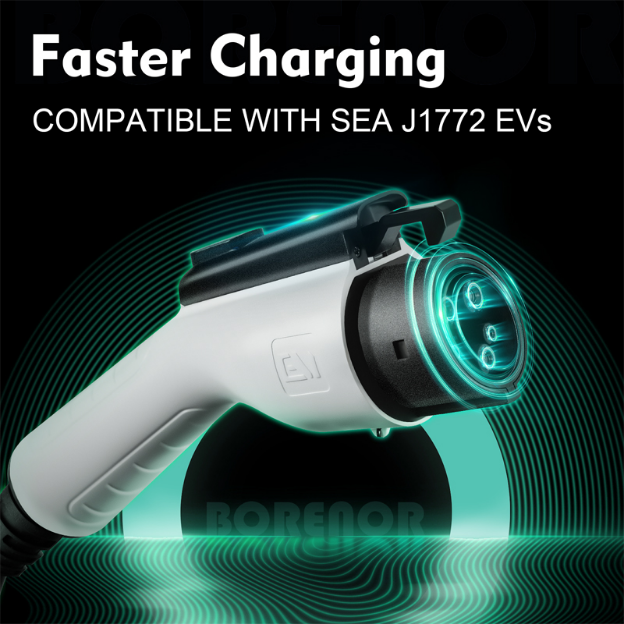
Built for heavy-duty performance, this TTCharger wallbox features a TPU cable for extra durability. It’s ideal for commercial operators and residential complexes needing robust and long-lasting charging equipment.
Key features
● Durable TPU cable: Stronger than standard cables, designed to withstand frequent use and harsh conditions.
● Type 1 & Type 2 connectors: Provides maximum compatibility with both European and international EVs.
● Fast charging speeds: Available in multiple power outputs to suit light or heavy-duty charging needs.
● Enhanced safety protections: Equipped with fault detection, overvoltage control, and overheating prevention.
● Smart control integration: Supports app connectivity, enabling monitoring, billing, and user access management.
● Long service life: Built with premium components to ensure stable performance for years.
Alt text: TTCHARGER EV wallbox charger with TPU cable for commercial and residential use
Getting started in the electric vehicle charging station business requires a trusted partner who can support you from setup to scaling. Here are the benefits of choosing TTCHARGER:
● 17+ years of EVSE expertise - With nearly two decades of experience, we understand the challenges of building charging networks and help you avoid costly mistakes.
● Complete range of chargers - From AC wallboxes to ultra-fast DC chargers, you can choose solutions tailored to different sites, user needs, and business models.
● OEM/ODM customization - We adapt hardware and software to fit your branding and business requirements, giving you flexibility as your network grows.
● Certified for global markets - Our products carry CE, ROHS, FCC, and more, ensuring compliance and safety whether you operate locally or expand internationally.
● After-sales support and warranty - At TTCharger, we stand by our products with reliable service, technical assistance, and warranty coverage that keeps your stations running.
● High production capacity - Large-scale manufacturing ensures a stable supply and fast delivery, allowing your business to expand without delays.
Although it is a good business full of opportunities, an EV charging business is not without its hurdles. As a new operator, you must plan carefully to overcome these common challenges:
● High upfront costs - Buying EV chargers and stations, preparing sites, and installing the infrastructure requires significant capital. Thoughtful, smart planning and scalable equipment help reduce long-term risks.
● Grid limitations - Some local power grids may not support fast or ultra-fast charging. Upgrades and intelligent load management are often needed to avoid downtime.
● Regulatory barriers - Check permits, zoning laws, and safety standards. They vary by region. Delays in approval can stall projects, making compliance expertise essential.
● Competition and differentiation - With more players entering the market, standing out requires reliable EV chargers, strong branding, and excellent customer service.
● Customer experience management - EV drivers expect easy payments, dependable uptime, and smooth navigation to your charging stations. Poor experiences can reduce repeat usage.
1. How profitable is an EV charging station?
Profit varies by location and model. A well-placed station can net roughly $5,000-$40,000+ per year. High-traffic retail or highway sites sit at the top end. Profit depends on utilization, pricing, and energy costs. Partnering with TTCharger helps you pick the right hardware and software to maximize uptime and revenue.
2. What is the lifespan of a charging station?
Most commercial Level 2 and DC chargers last about 10-20 years. Heavy use, harsh weather, or poor maintenance shortens life. Quality hardware and regular servicing extend service life. Thus, you should always choose tested and proven models and warranty-backed suppliers like TTCharger for long-term reliability.
3. Do EV chargers require maintenance?
Yes. EV charging station units need routine checks, firmware updates, and occasional parts replacement. Regular maintenance prevents outages and protects revenue. A maintenance plan should include remote monitoring, periodic inspections, and rapid-response repairs. Working with a manufacturer like TTCharger gives you support, spare parts, and maintenance guidance.
4. Are there hidden fees for EV charging?
No. EV charging stations do not create hidden fees by themselves. If any, hidden charges may possibly come from network operators, payment processors, or complex billing models. If you are starting, use transparent pricing and clear receipts. TTCharger equipment supports standard payment integrations so you can keep billing upfront and straightforward.
5. How much does it cost to install an EV charging point?
Costs vary widely. A basic AC wallbox can cost €1,000 to €3,000 installed. Mid-tier AC or small DC installations typically range €5,000 to €30,000 after site prep. High-power DC or ultra-fast sites with grid upgrades can exceed €50,000. Site works, trenching, electrical upgrades, and permits drive costs. TTCharger offers a range of options to match budgets and scale plans.
6. How are EV charging stations paid for?
There are different options available. Customers pay via mobile apps, RFID cards, credit/debit, or subscriptions. Operators can also use fleet contracts or B2B billing. Stations usually connect to a backend billing platform for invoicing and settlement. TTCharger integrates with common payment and back-office systems for seamless transactions.
7. What differentiates AC and DC charging for businesses?
AC charging is slower and cheaper, making it ideal for offices, apartments, and long-stay parking, typically delivering 3.7-22 kW. DC charging bypasses the car’s onboard converter, offering 50-350+ kW for rapid top-ups at highways or fleet hubs. AC suits steady daily use, while DC drives faster turnover and higher revenue. TTCharger provides both options.
8. Can my business get government incentives for EV charging?
Yes. Many European countries, including the UK, Germany, and Norway, offer grants, tax credits, or subsidies for charger installation. Incentive levels and eligibility change by region and over time. Check local government programs and utility schemes before budgeting. TTCharger advises partners on compliant products that meet incentive criteria.
9. How many EV chargers do I need for my location?
It depends on the use case and traffic. Example targets: workplace parking lot, 2-5 chargers for a medium office. Retail center, 4-12 chargers depending on turnover and foot traffic. Highway rest area or motorway hub, 6-20 fast chargers to keep queues short. Fleet depots may need one charger per 3-10 vehicles, based on shift patterns and charging windows. By working with TTCharger, you will get tailored recommendations.
10. What are the risks of running an EV charging business?
Key risks include high upfront costs, slow adoption at a given site, grid constraints, changing regulations, and equipment downtime. Revenue can be volatile if utilization is low. Operational risks include poor maintenance, payment friction, and bad customer experience. Mitigate these risks by using proven hardware, redundant systems, strong maintenance contracts, and clear pricing. Invest in reputable partners like TTCharger for certified equipment, warranty coverage, and scaling support.
The EV charging industry is expanding fast, but success depends on careful planning, smart investment, and the right partners. Reliable hardware, scalable software, and strong support make the difference between struggling and thriving. TTCHARGER delivers certified, customizable, and dependable EV charging solutions for businesses ready to grow. Get in touch today to power your EVSE business forward.
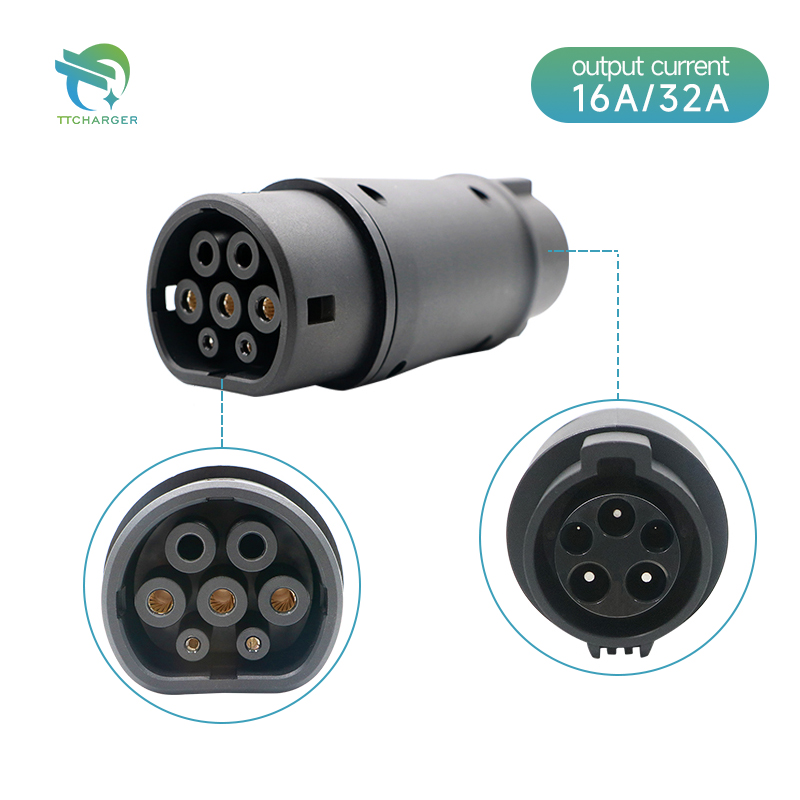
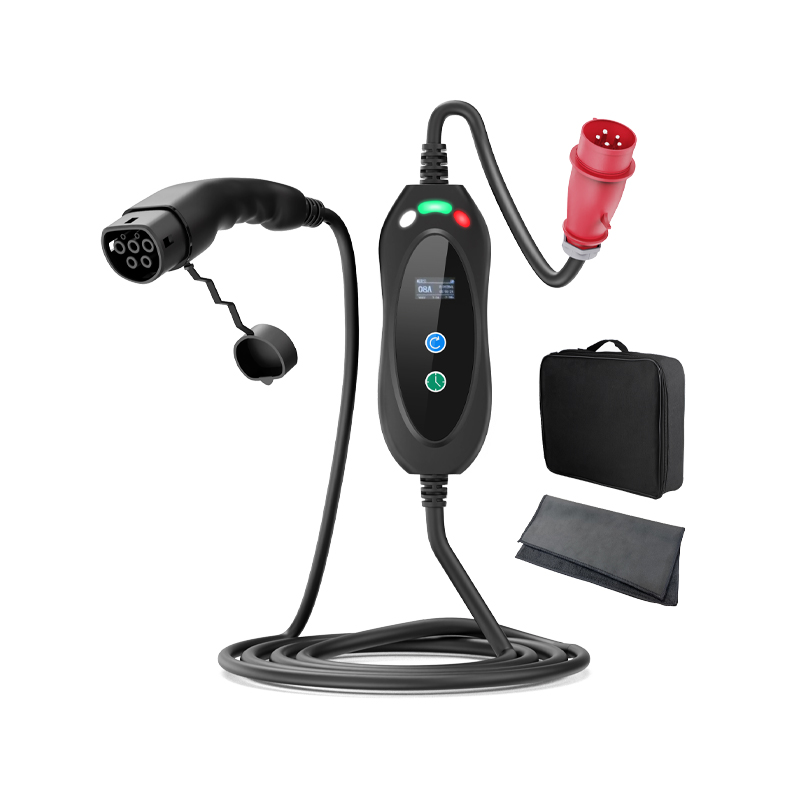
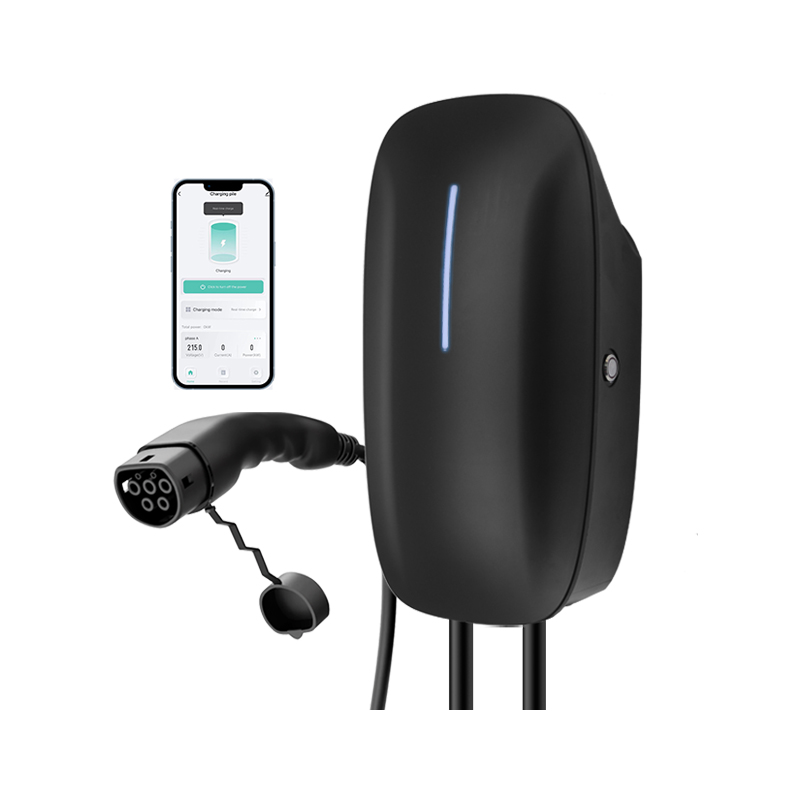
As a professional EVSE manufacturer, TTCHARGER focuses on providing customers with professional charging equipment that is safer, more efficient and more stable.
Interested in Purchasing EV charging equipment for your Business? Get in touch with us now.

Leave A Comment