Products
Our main products include ev charger wallbox, ev connectors, ev charging station and so on.

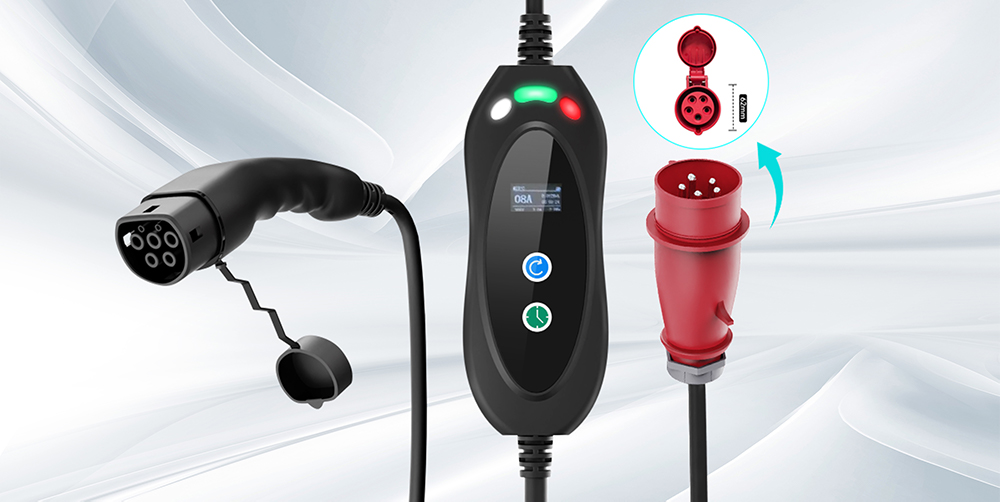
Our main products include ev charger wallbox, ev connectors, ev charging station and so on.
Safe and reliable for your home and your EV.
Portable to take it in your car.
User Friendly and easy to store.
Extremely durable and impact resistant.
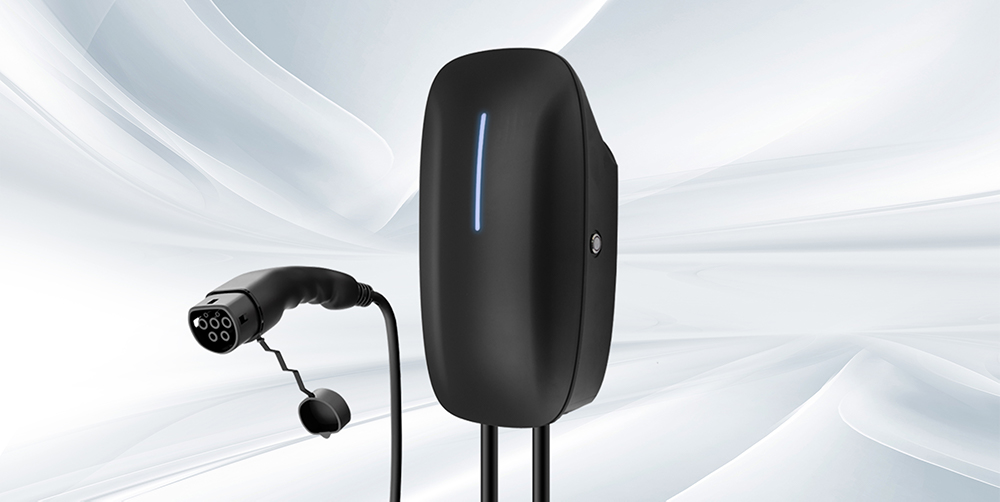
We can provide perfect solutions based on the customer’s requests.
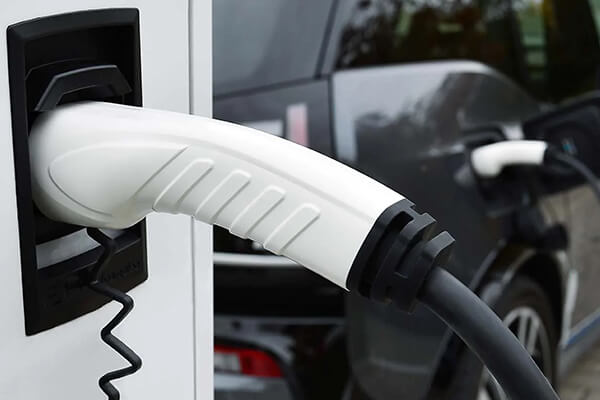
All you need to know about TTCHARGER manufacturing.

Learn about who we are and how it all started.
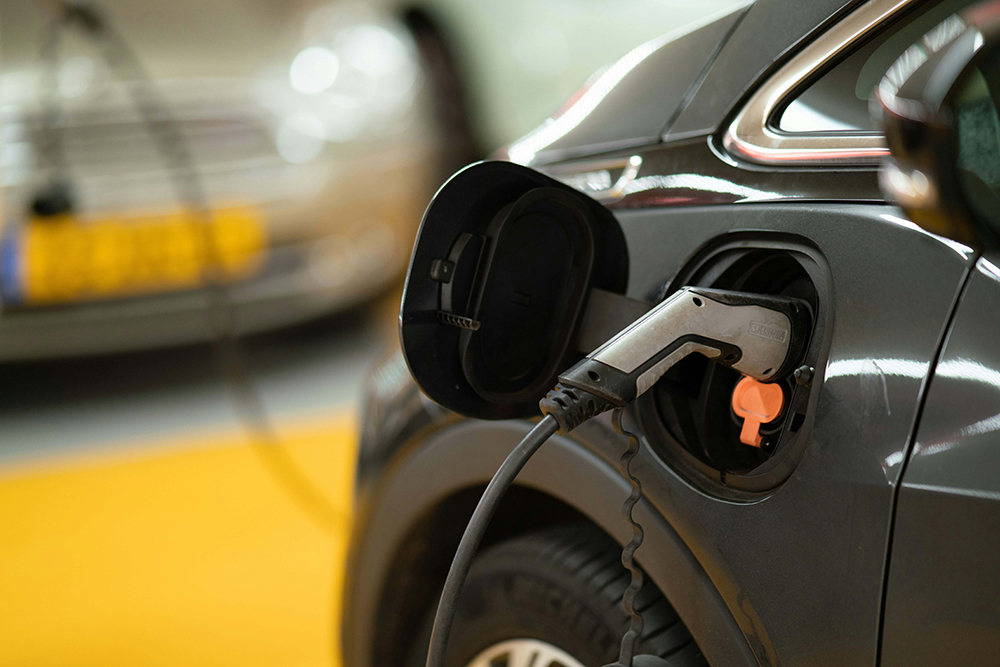
Meta description: Discover how to install an EV home charging station step by step. Save money, enjoy convenience, and power your EV faster with the right home setup.
Switching to an electric vehicle brings freedom and savings, but many new owners feel uncertain about how to install an EV home charging station. Should you hire an electrician, do it yourself, or just stick to relying on public chargers? The truth is, setting up a home EV charger is simpler than it seems. This guide walks you through the step-by-step process of charging an EV at home.
An EV home charging station, also known as EVSE (Electric Vehicle Supply Equipment), is a dedicated unit for safe and convenient charging at home. It can be installed in your driveway, garage, or regular parking spot as part of a complete home EV charging setup. Usually, a home charge point is a level 2 EV charger. Unlike a basic Level 1 charger that plugs into a wall socket and takes 8-20 hours for a full charge, a Level 2 charging station recharges most EVs in just 4-8 hours. This makes Level 2 the most practical choice, allowing you to plug in your electric vehicle where you always park.
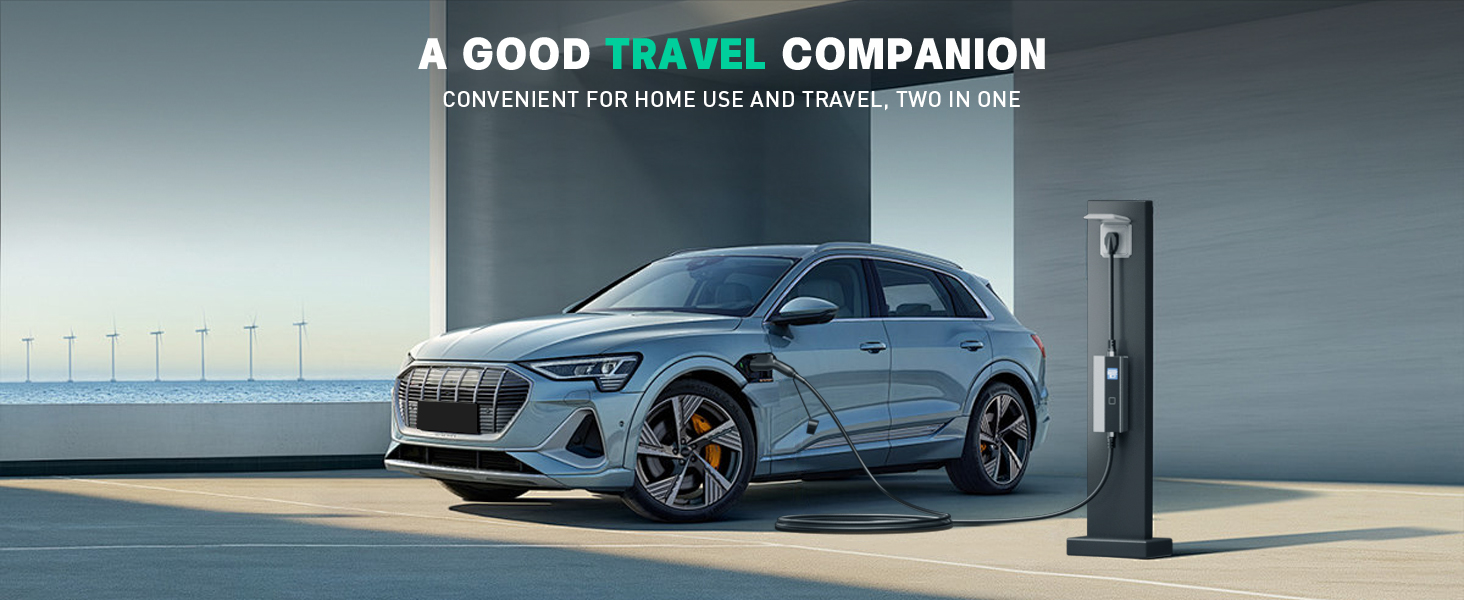
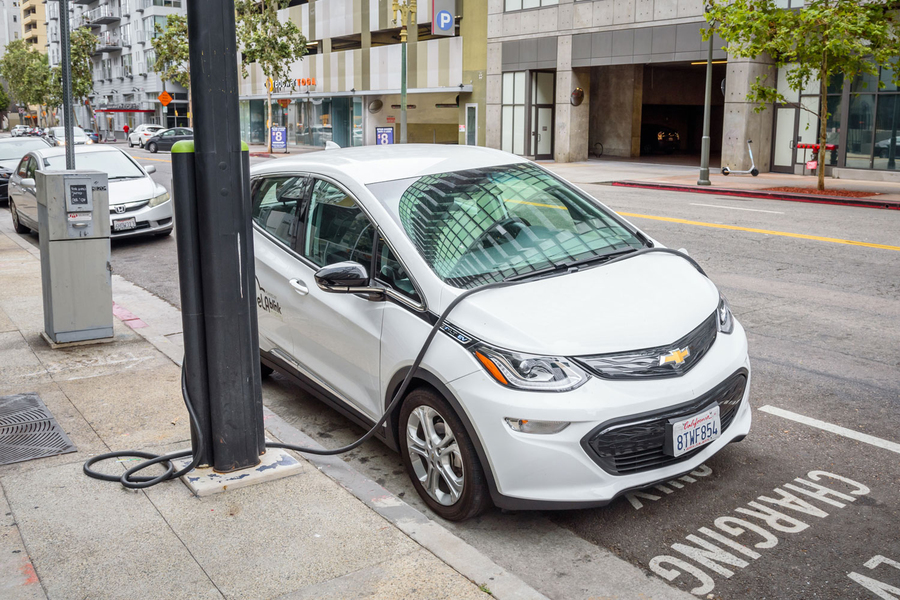
Alt text: How to install an EV home charging station
Note: Level 3 DC fast chargers provide ultra-rapid charging but require commercial-grade power and heavy infrastructure. They are not designed for home EV charger installation.
Installing an EV home charging station is one of the smartest upgrades for any EV owner. It makes charging simpler, cheaper, and faster than relying only on public stations.
Convenience
Forget hunting for public chargepoints or waiting in long queues every time you need to charge your EV. A home charger unit is reliable and available 24/7, easily fitting into your daily routine.
Cost saving
Recharging an electric car at home is usually much cheaper. For example, the average residential rate in the U.S. is about $0.16/kWh, compared to $0.30-$0.50/kWh at many public fast chargers. Over a year, that adds up to hundreds in savings.
Faster charging
A Level 2 home charger can add 25-30 miles of range per hour. That means a (0-100), full overnight recharge, something a standard wall outlet simply can’t deliver efficiently.
Installing a dedicated home EV charging point isn’t complicated, but safety is critical. Always hire a qualified technician and follow your charger’s manual since steps vary by model:
A Level 2 wallbox home charger is ideal for faster charging and long-term flexibility. Check for safety certifications, compliance, after-sales support, and fair pricing. For reliability, TTCharger is a trusted supplier of high-quality EV home charging equipment.
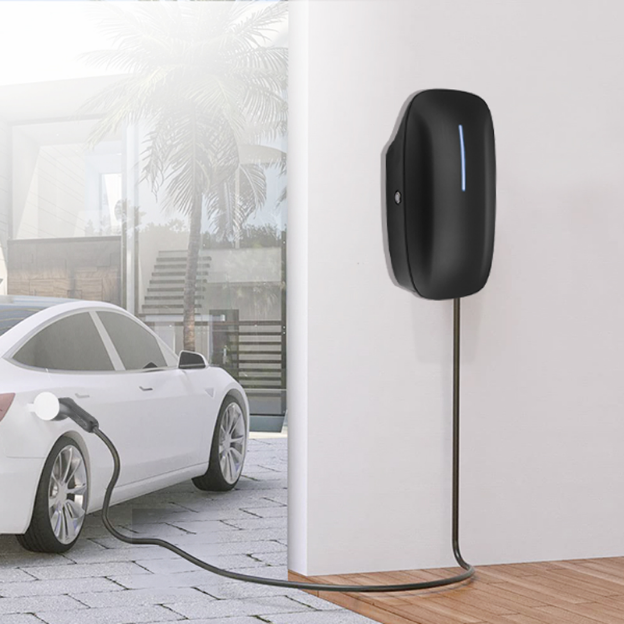
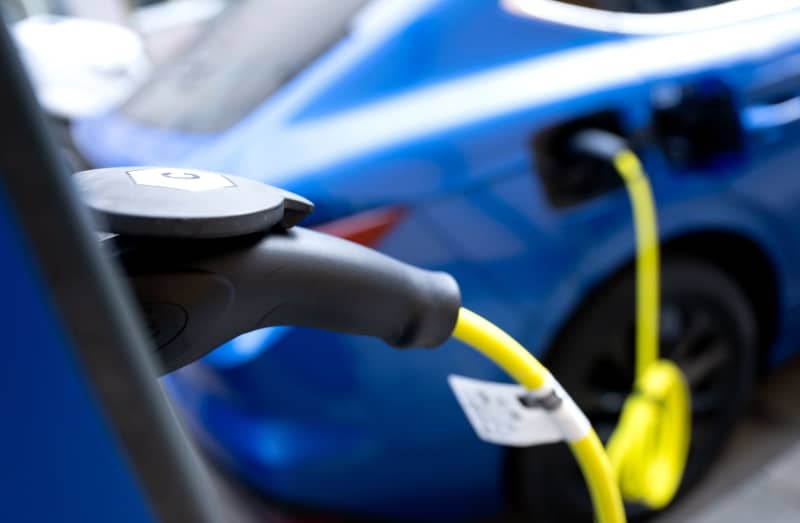
Alt text: home EV charging setup
Make sure your electrical panel can handle the additional load. Most Level 2 chargers require a 240V dedicated circuit rated at 30-50 amps. You should consult a qualified electrician to assess your breaker box and prepare your home for safe EVSE installation.
Choose a practical location, such as your garage or driveway wall. Ensure the charging cable can easily reach your vehicle’s charging port. Measure distances, check fuse box proximity, and consider weatherproofing for outdoor setups.
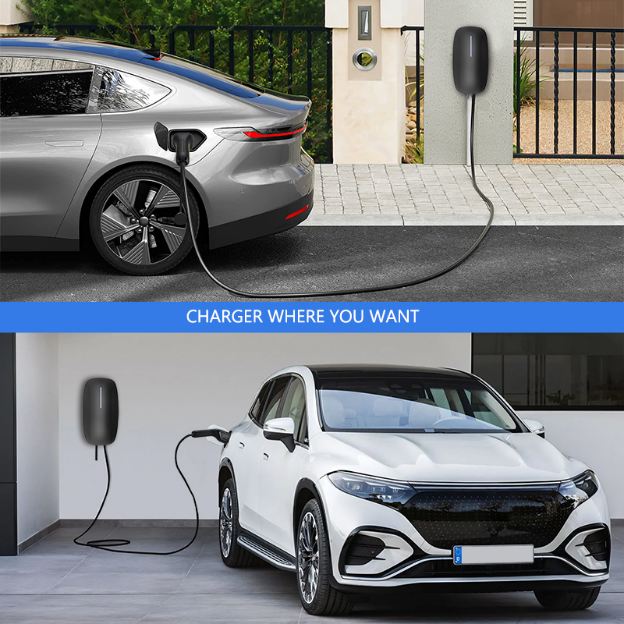
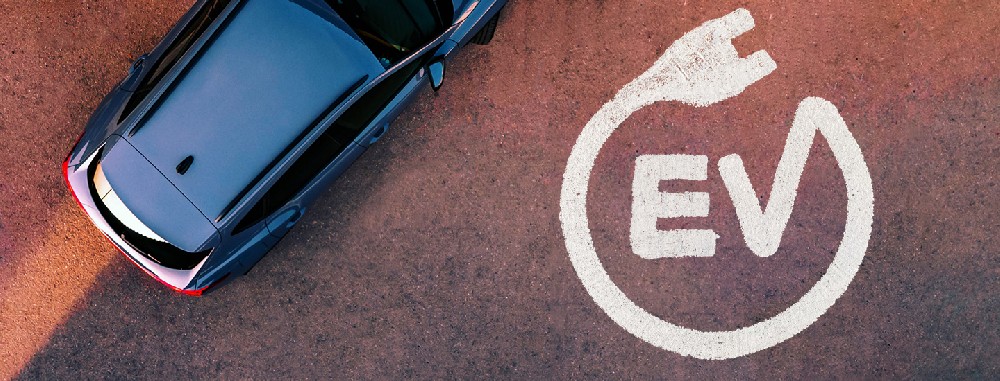
Alt text: electric car home charger installation
Follow the installation guide to securely mount the home EV charging unit. For practicality, install it on a wall or pedestal for easy operation and maintenance. Ensure the charging station unit and its accessories are complete and correctly assembled. Firmly mount the unit for stability, and keep the charging gun suspended for safety and easy cable management.
Wiring must be done carefully to ensure safety and compliance with local codes. A licensed electrician should connect the EV charger station to the dedicated circuit. This step typically takes 1-2 hours, and safety is a priority.
Switch on the power, run diagnostics if available, and connect your EV. Confirm charging starts smoothly and monitor for error messages. Some smart home EV chargers also allow app setup for scheduling and monitoring.
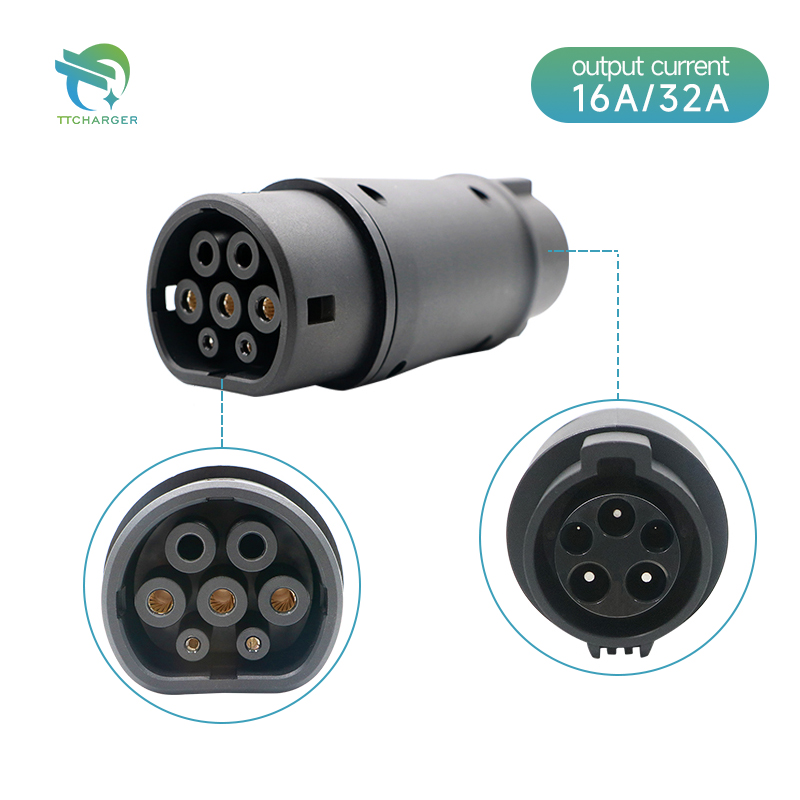
Alt text: Testing a home EV charging station
Working with electricity is dangerous, and safety must always come first. Installing an EV charger involves high-voltage power, so following strict precautions is essential to avoid accidents, equipment damage, or local code violations.
Always turn off the power before connecting wires
Shut off the power at the breaker panel before handling any wiring. This prevents electrical shock and ensures safe connections.
Use certified EVSE components
Only purchase chargers and accessories tested and certified for safety, such as UL, CE, or equivalent standards. Certified EVSE equipment guarantees proper insulation, overload protection, and compliance with local regulations.
Consider hiring a licensed electrician for compliance
A licensed electrician ensures your installation meets local electrical codes and capacity requirements. They can properly size wiring, install the correct circuit breaker, and provide documentation, reducing liability and ensuring your system is both safe and future-ready.
Getting installation right is crucial, but the real magic comes from choosing the perfect charging station. The next section explores the best EV home chargers you can install today.
At TTCHARGER, we specialize in advanced wallbox EV chargers built for safety, performance, and convenience. These five options offer the best for modern EV owners.
This heavy-duty DC fast charger is designed for residential communities, businesses, and fleets. With a power range of 30kW-180kW, it supports Type 1 and Type 2 connectors, offers IP54 protection, and includes smart monitoring for safety and reliability.
Key features
● Wide power range: Delivers 30kW-180kW with up to 190A output for rapid charging.
● High compatibility: Works with most EVs via Type 1 (SAE J1772) and Type 2 (IEC 62196-2).
● Smart monitoring: LCD display with real-time temperature tracking and error correction.
● Strong protection: Over-voltage, lightning, and thermal safeguards ensure safe charging.
● Easy installation: Compact unit with natural cooling fits garages or commercial spaces.
● Durable design: IP54-rated, weather-resistant, and reliable even in harsh conditions.
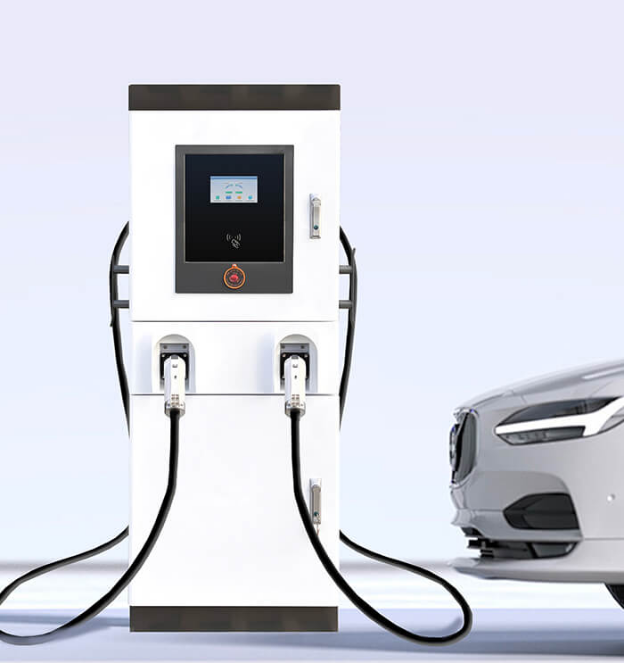
Alt text: DC EV fast charging station with LCD screen and dual connector support.
Image source: http://evttcharger.com/list_26/106.html
Compact and versatile, this AC wallbox delivers 7kW or 22kW charging with Type 1 or Type 2 connectors. IP55 protection, RCD safety, and WiFi support make it ideal for homeowners wanting a smart, reliable solution.
Key features:
● Flexible output: 7kW (single-phase) or 22kW (three-phase) charging options.
● Strong compatibility: Supports Type 1 and Type 2 EV connectors.
● Smart functions: WiFi connectivity, RFID access, and optional app control.
● Advanced protection: Over-voltage, lightning, and leakage detection with RCD (Type A + 6mA DC).
● Compact design: Wall-mounted or stand-mounted with easy installation.
● Durable build: IP55 weatherproof and functional from -30°C to +50°C.
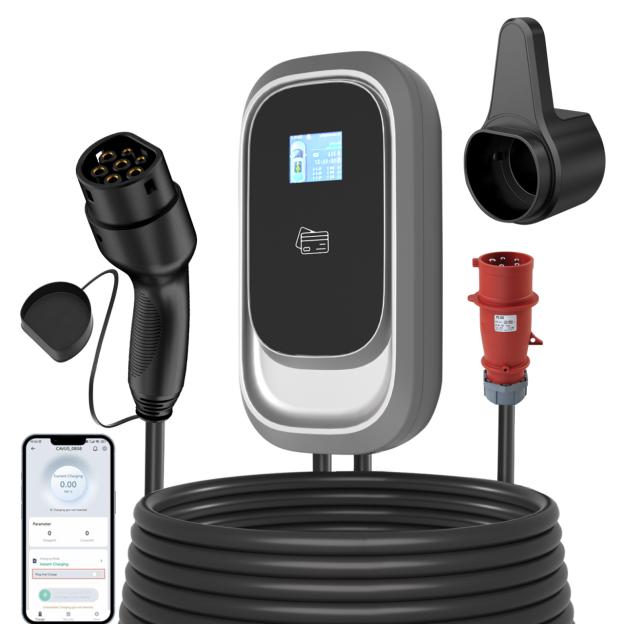
Alt text: Compact AC EV wallbox charger with LCD display and Type 1/Type 2 connectors.
Image source: http://evttcharger.com/list_18/101.html
This versatile wallbox offers 7kW, 11kW, or 22kW charging with 5m cable support. Designed for indoor and outdoor use, it includes IP55 protection, multiple safety systems, and flexible smart connectivity for EV owners who want reliability and expandability.
Key features:
● Multiple power levels: Choose from 7kW, 11kW, or 22kW charging speeds.
● Universal use: Works with both BEVs and PHEVs via Type 1 or Type 2.
● Smart-ready: Optional WiFi, RFID, and OCPP for remote control.
● Comprehensive protection: Includes over-voltage, overload, and short-circuit safeguards.
● Weatherproof: IP55-rated for safe outdoor or garage installation.
● Certified quality: CE, FCC, and RoHS-approved for global use.
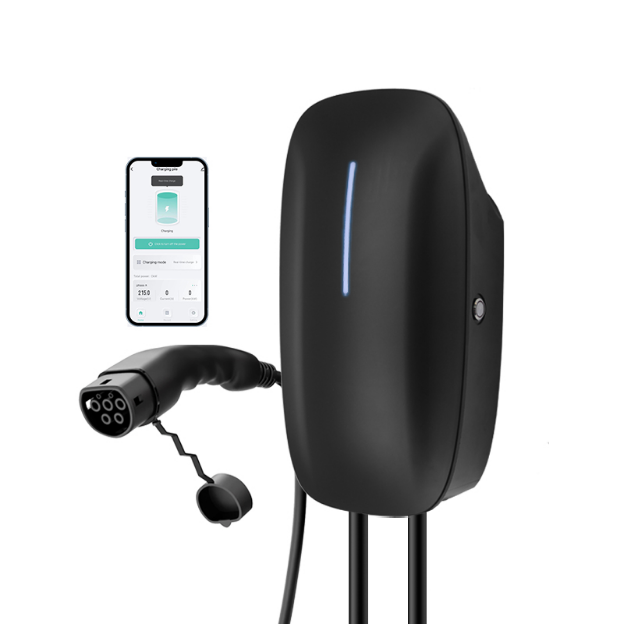
Alt text: EV wallbox charger with 5-meter cable and multi-level charging capacity.
Image source: http://evttcharger.com/list_18/100.html
Built for flexibility, this Level 2 charger supports 7kW, 11kW, and 22kW outputs. With strong safety protections, Type 1 and Type 2 compatibility, and a robust IP55 design, it’s perfect for homeowners needing reliable daily charging.
Key features:
● Flexible power: Supports 7kW, 11kW, and 22kW outputs.
● Wide compatibility: Works with most EVs via Type 1 or Type 2 connectors.
● Safety-first design: Over-voltage, lightning, and leakage protections included.
● Strong build: IP55 and IP65 waterproof for all-weather use.
● Easy installation: Wall-mounted or stand-supported setup in minutes.
● Smart upgrades: Options for WiFi, RFID, and app integration.
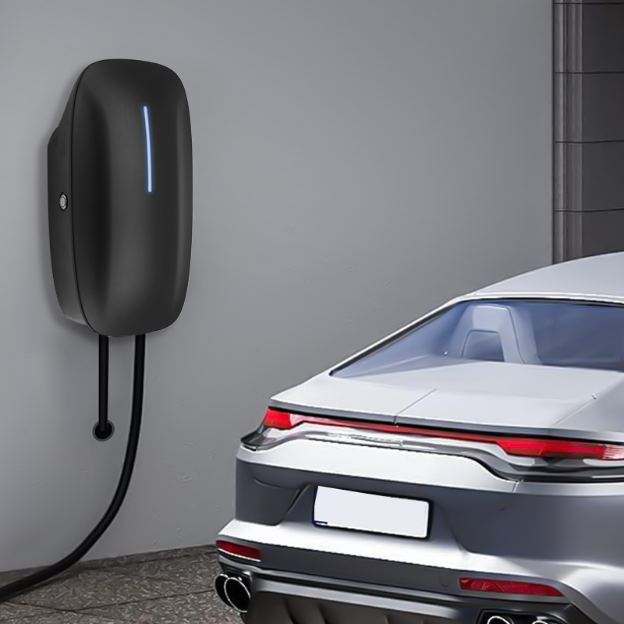
Alt text: Wallbox EV charger with 5-meter cable and dual connector support.
Image source: http://evttcharger.com/list_18/81.html
This premium wallbox offers 7kW or 22kW charging with a TPU cable for durability. With WiFi monitoring, emergency stop, and IP55/IP65 protection, it’s ideal for tech-savvy homeowners who want safe, future-proof charging.
Key features:
● Fast charging: Up to 22kW Level 2 output with 32A support.
● Dual compatibility: Supports Type 1 (SAE J1772) and Type 2 (IEC 62196-2).
● Smart monitoring: WiFi-enabled app with real-time charging data.
● Enhanced safety: Includes emergency stop and leakage detection.
● Built to last: TPU cable resists corrosion, cold, and high heat.
● Global certifications: CE, FCC, and RoHS-approved for compliance.
Alt text: TTCHARGER EV wallbox with TPU cable, WiFi monitoring, and emergency stop button.
Image source: http://evttcharger.com/list_18/74.html
Why buy EV home chargers from TTCharger
TTCHARGER is a trusted global manufacturer and supplier of EVSE solutions with more than 17 years of industry experience. Our product portfolio covers EV wallboxes, portable chargers, adapters, and connectors, serving clients across multiple international markets. We are committed to delivering charging solutions that combine safety, compliance, and innovation, backed by reliable after-sales service and global logistics support. Below is what we provide:
● OEM and ODM customization for brands
We offer flexible customization with extensive OEM/ODM project experience. OEM services cover colors, cable lengths, logos, and packaging, while ODM includes product design, feature development, and new innovations. Minimum order quantities vary with requests.
● Complete certifications for global markets
All products meet international compliance standards such as CE, FCC, and RoHS, ensuring safe and worry-free use across regions.
● High production capacity for bulk orders
With advanced facilities and strict quality control, we efficiently handle bulk orders without compromising performance.
● Multilingual support for international clients
Our team provides professional assistance in multiple languages to serve clients worldwide.
● After-sales support and warranty
All products come with a 1-year warranty. Depending on the situation, customers are offered free replacements or cost-effective maintenance solutions.
● Expert R&D team ensuring quality and innovation
Our dedicated engineers continuously improve product design, functionality, and safety to keep our chargers at the forefront of EV technology.
1. Can I install a home EV charger myself?
Installing an EV charger involves working with high-voltage electricity, so it’s not recommended as a DIY project. A licensed electrician should always handle installation to ensure compliance with safety standards and local codes. TTCHARGER provides chargers designed for professional installation, ensuring safety, reliability, and long-term performance.
2. How much does it cost to have an EV home charger installed?
The cost of installation typically ranges from $500 to $1,500, depending on your home’s electrical system, location, and installation complexity. Factors such as panel upgrades or additional wiring may add costs. TTCHARGER offers cost-effective, high-quality home charging stations that maximize value and long-term savings on charging expenses.
3. What power supply is needed for an EV home charger?
Most home EV chargers require a dedicated 240V supply with a circuit rated between 30 and 50 amps for safe and efficient charging. This EV home charger unit setup allows faster charging than a standard outlet. TTCHARGER chargers are designed to work seamlessly with standard residential electrical systems.
4. Where is the best place to install an EV charger?
The ideal spot is in your garage or driveway, where the charging cable can easily reach your EV’s port. Protection from harsh weather and accessibility to your electrical panel are crucial. If you want the best charging stations for home use, check out TTCHARGER. Our wallbox chargers are compact, durable, and designed for both indoor and outdoor use.
5. Can I run a cable across the pavement to charge my car?
No. Running a cable across the pavement can be unsafe and may even violate local regulations. It creates a tripping hazard and exposes the cable to damage. A permanent charging station, like TTCHARGER’s weatherproof wallbox, is a much safer and compliant solution for reliable EV charging at home.
6. Are home EV chargers worth it?
Yes, home EV charge points offer unmatched convenience, cost savings, and faster charging speeds compared to public stations or regular sockets. Waking up to a fully charged battery every day saves time and money. TTCHARGER provides affordable, durable, and certified home EV charging stations that make the investment worthwhile.
7. Can I charge my EV from a domestic socket?
Yes, but domestic sockets are slow, taking over 20+ hours for a full charge, and can overheat with prolonged use. Instead, you can install a level 2 EV charging station from TTCHARGER, which provides much faster, safer, and more efficient charging.
8. How long does it take to install an EV home charger?
On average, installation takes 2 to 4 hours, depending on wiring, breaker panel upgrades, and mounting location. Simple setups may be quicker, while complex installations take longer. TTCHARGER’s chargers are designed for easy and efficient installation by certified electricians.
9. Do I need a permit to install an EV charger at home?
Yes. In many areas, a permit is required to ensure the installation meets local electrical codes and safety standards. A licensed electrician can help with paperwork. For easy approvals and meeting standards, consider charger units from TTCHARGER. We recommend checking with your local authority before installation for smooth compliance and safe usage.
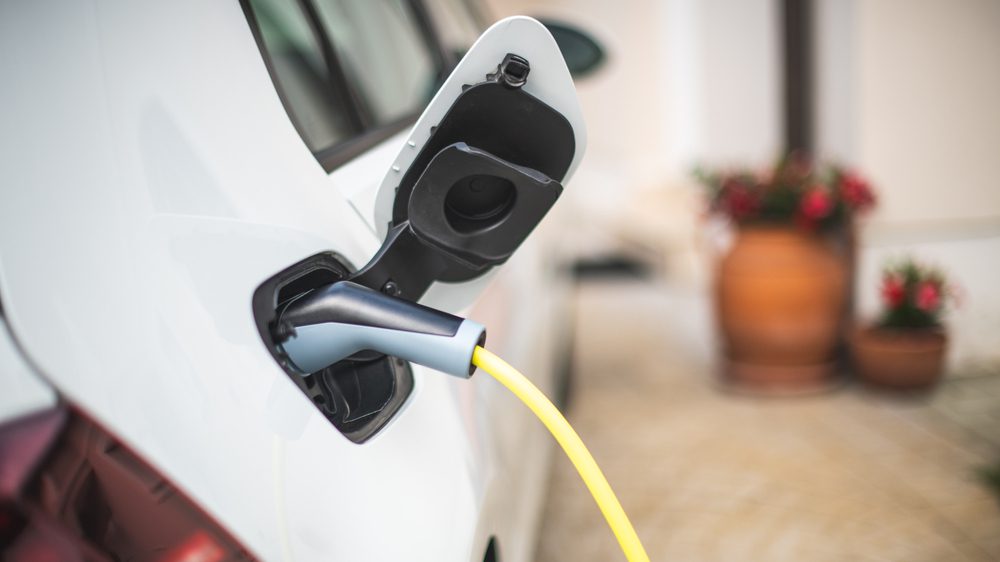
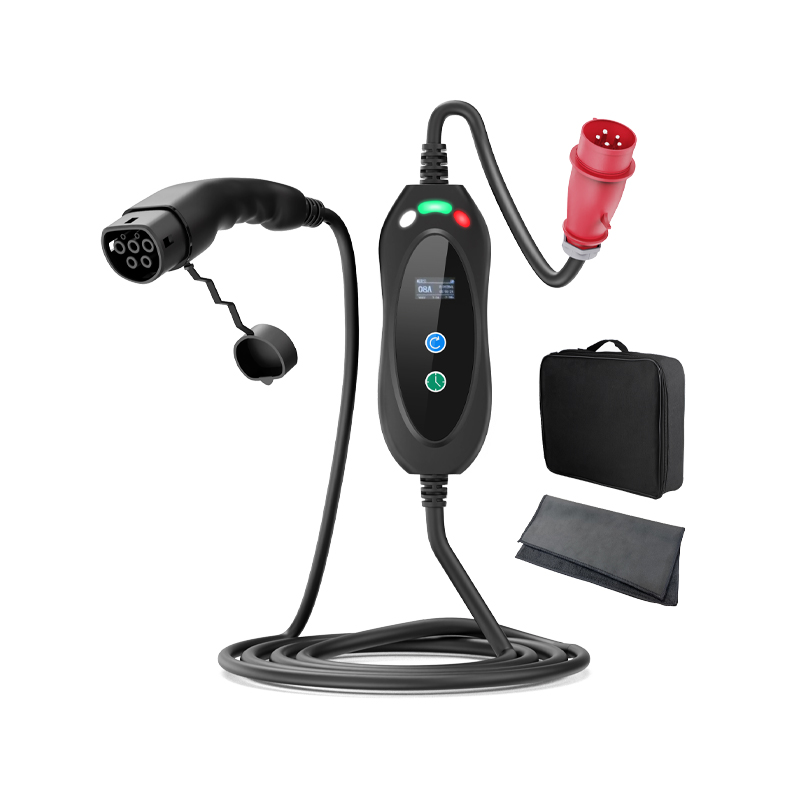
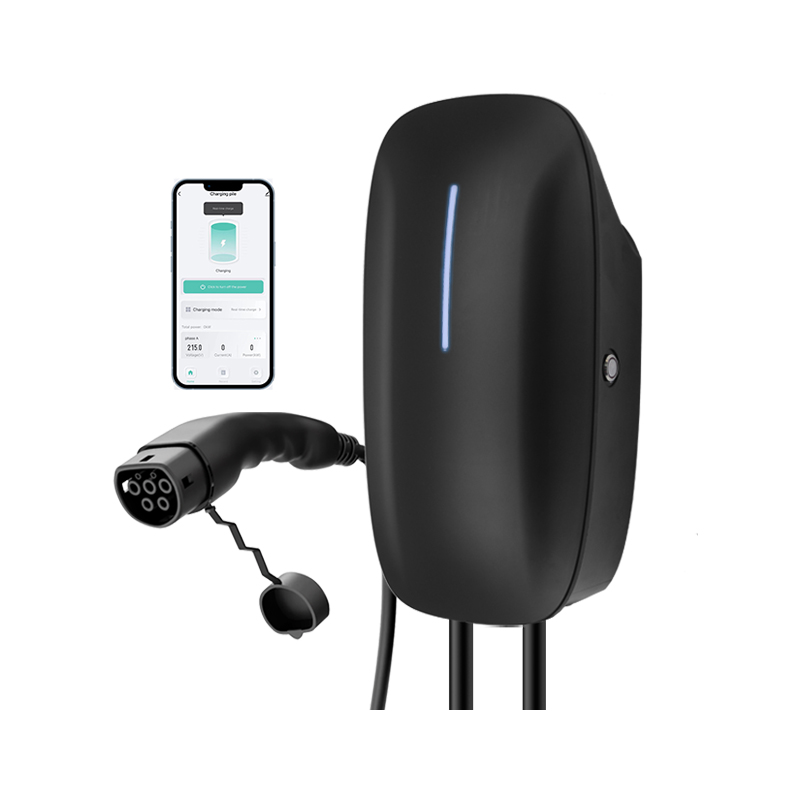
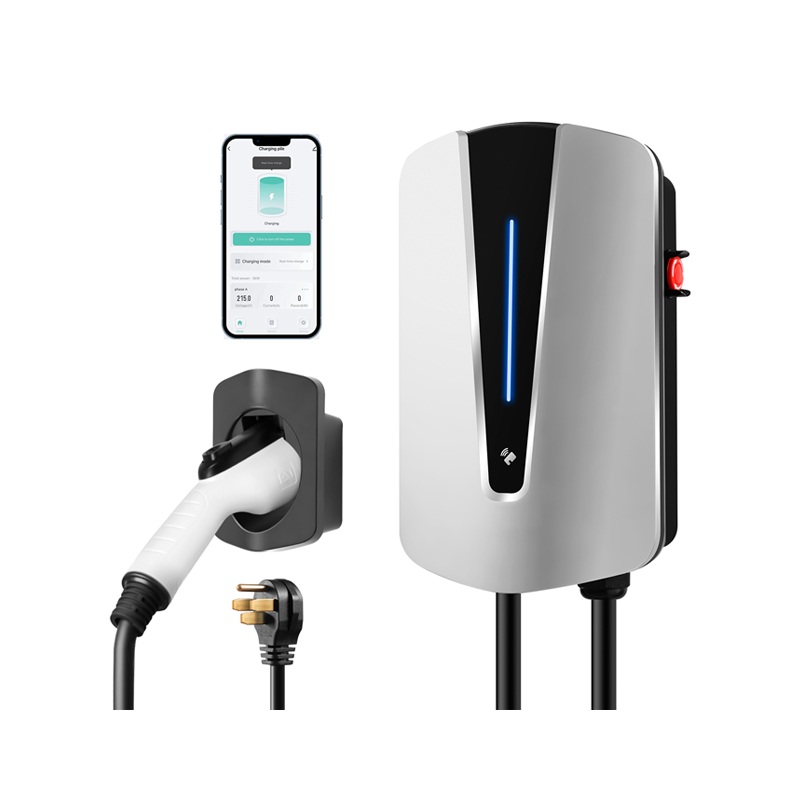
As a professional EVSE manufacturer, TTCHARGER focuses on providing customers with professional charging equipment that is safer, more efficient and more stable.
Interested in Purchasing EV charging equipment for your Business? Get in touch with us now.

Leave A Comment